
Wisdom Teeth Removal in Abbotsford, BC
Honest advice on when wisdom teeth need to come out and when they can stay, plus the procedure, sedation options, and a clear day-by-day recovery timeline.
Quick answers
Medically reviewed by Dr. Kalucha, DDSHow much does wisdom teeth removal cost in Abbotsford?
In the Abbotsford area, removing a wisdom tooth generally ranges from about $200 to $600 per tooth, depending on whether it's a simple extraction or a surgical one for an impacted tooth. Sedation, if you choose it, is an added cost. You'll get a written estimate after your exam and X-rays, before any treatment begins.
Does wisdom tooth removal hurt?
The removal itself shouldn't hurt, because the area is fully numbed with local anesthetic and sedation is available if you're anxious. You'll feel pressure but not pain during the procedure. Afterward, soreness for a few days is normal and is usually well controlled with over-the-counter pain relief and ice.
How long does it take to recover from wisdom teeth removal?
Most people feel noticeably better within three to four days and are back to normal in about a week. Swelling usually peaks around day two or three, then steadily improves. Surgical removal of a deeply impacted tooth can take a little longer to fully heal.
Your wisdom teeth are the last molars to arrive, usually pushing through in your late teens or early twenties, long after the rest of your jaw has finished growing. Sometimes there’s room for them and they cause no trouble at all. Often there isn’t, and they come in sideways, get stuck under the gum, or crowd the teeth in front of them. At Mount Lehman Dental in West Abbotsford, Dr. Aman Kalucha gives you a straight answer about whether yours actually need to come out, and removes them comfortably when they do.
When wisdom teeth need to come out
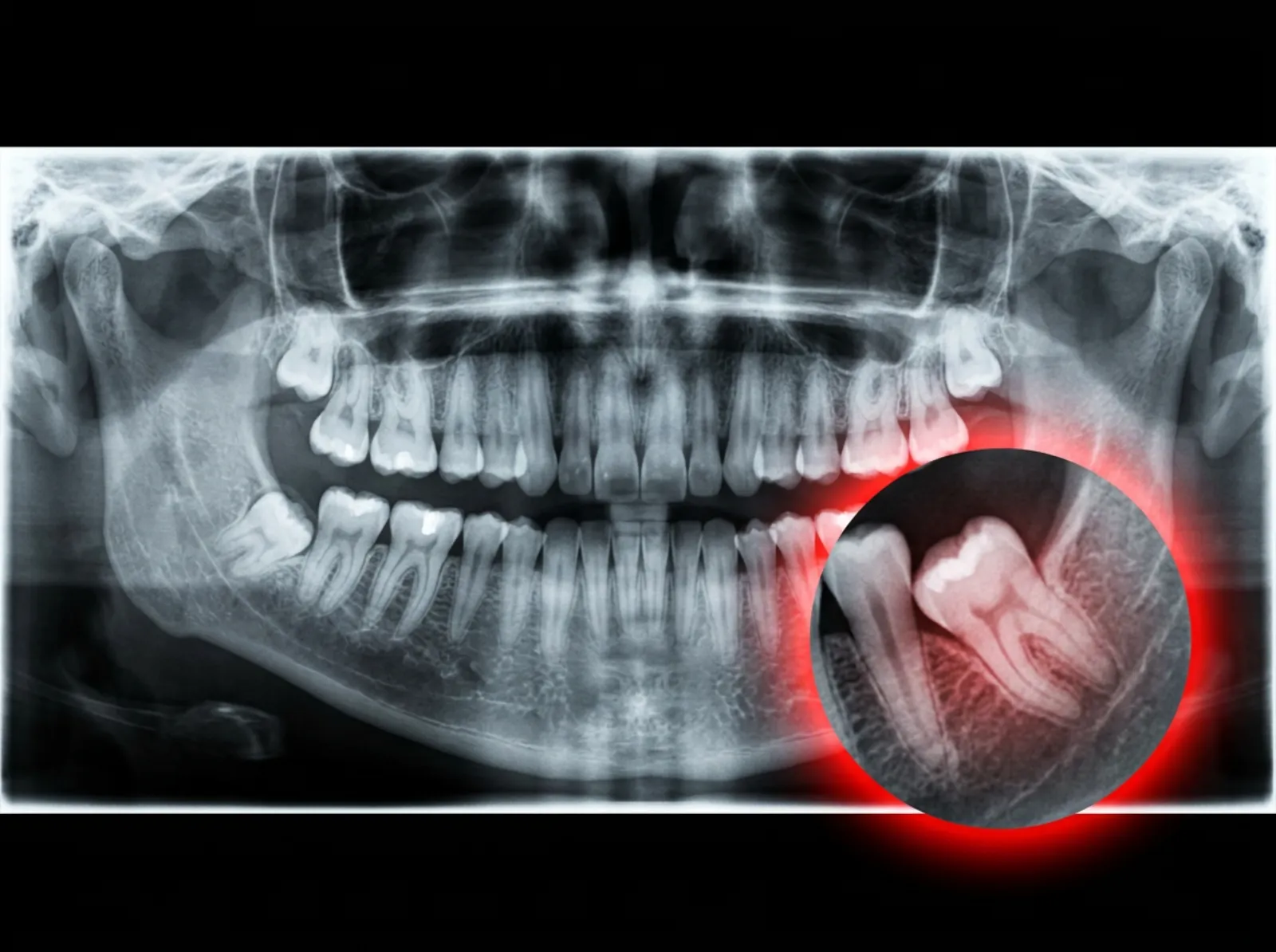
A wisdom tooth that is healthy, fully grown in, sitting in a good position, and easy to brush and floss does not automatically need removing. The honest reality, though, is that the human jaw frequently doesn’t have space for these third molars, and that’s when problems start. Dr. Kalucha typically recommends removal when one or more of these apply:
- Impaction. The tooth is trapped under the gum or bone, or angled into the tooth ahead of it. Impacted teeth can damage neighbouring roots and are nearly impossible to keep clean.
- Recurring infection. A partly erupted wisdom tooth leaves a flap of gum that traps food and bacteria, causing painful, repeated gum infections (pericoronitis).
- Decay or gum disease. Wisdom teeth sit so far back that they’re hard to clean, so they decay and develop gum problems more readily than other teeth.
- Crowding or cysts. Pressure on the rest of your teeth, or a fluid-filled cyst forming around an impacted tooth, are clear reasons to act.
When they can stay
If your wisdom teeth are in good shape and you can clean around them properly, the right call may be to leave them alone and simply keep an eye on them at your regular checkups. Removing a healthy, symptom-free tooth isn’t always necessary, and you deserve a recommendation based on what your X-rays actually show, not a routine assumption. This is where having a dentist with broad surgical training matters: Dr. Kalucha completed a hospital-based General Practice Residency at Dalhousie University in Halifax, a competitive extra year spent treating complex surgical, restorative, and endodontic cases under specialist supervision. Most general dentists never do that residency. It means he’s comfortable judging when a tooth is genuinely a problem and when it’s fine to watch, and confident handling the difficult extractions some general dentists refer out.
The procedure, step by step
Every removal starts with a focused exam and an X-ray (or a 3D scan for tricky cases) so we can see the roots, the nerve position, and exactly how the tooth is sitting.
- Numbing and sedation. The area is fully numbed with local anesthetic. If you’d prefer to be more relaxed, we’ll discuss your sedation options before the day.
- A simple or surgical extraction. A tooth that has erupted normally is often removed in minutes, loosened and lifted out. An impacted tooth needs a small surgical approach: a tiny gum opening, sometimes dividing the tooth so it comes out in pieces, which is easier on the surrounding bone.
- Cleaning and closing. We clean the socket and place dissolvable stitches if needed. You bite on gauze, and we go over your aftercare in person before you leave.
Most appointments to remove one to four wisdom teeth take well under an hour.
Sedation options
Local anesthetic alone is enough for many people, but you don’t have to white-knuckle it. We can talk through relaxation options ranging from lighter sedation to deeper sedation for more involved cases or higher anxiety. If dental fear is part of why you’ve been putting this off, tell us. Managing anxiety is a normal part of the conversation here in West Abbotsford, not something to be embarrassed about.
Your recovery timeline
Knowing what to expect day by day makes recovery far less stressful:
- First 24 hours. Bite gently on gauze to control bleeding, rest, and use a cold compress on your cheek (20 minutes on, 20 off) to limit swelling. Start any prescribed or recommended pain relief before the freezing wears off.
- Days 2 to 3. Swelling and stiffness usually peak now, then begin to ease. Stick to soft, lukewarm foods such as soup, yogurt, eggs, and smoothies eaten with a spoon.
- Days 4 to 7. Most people feel substantially better and return to their normal routines. Any stitches that don’t dissolve are removed around now.
- Weeks 2 to 4. The gum tissue closes over and the socket fills in. Deeper healing of the bone continues quietly for a few months, but you won’t notice it.
Recovery tips that actually help
The biggest avoidable complication is dry socket, where the healing clot is lost too early. Protect it: no smoking, no straws, and no vigorous rinsing or spitting for the first few days. After the first day, gentle salt-water rinses keep the area clean. Keep your head slightly elevated when you sleep, stay hydrated, and ease back into eating. Call us if bleeding won’t settle, pain worsens after day three, or you develop a fever, because these are simple to address when we hear about them early. A sudden problem with another tooth is always worth a call too; see our emergency dentistry page if you’re in pain right now.
Caring for the space afterward
Once your wisdom teeth are out, the area becomes easier to keep clean, which is often the whole point. If crowding was a concern, this can be a good moment to ask about straightening with Invisalign, and routine family dentistry checkups will keep the rest of your mouth healthy as you heal across the Fraser Valley.
If you’re not sure whether your wisdom teeth need to go, or one is already aching, book an exam at our Mt Lehman Road office in West Abbotsford and we’ll give you an honest assessment. Call 604-856-7860 to get started.
Book wisdom teeth removal today
Related services
Emergency Dentistry
In pain or just had an accident? Call us first. We make room for dental emergencies and will walk you through what to do right now.
Sedation Dentistry
A calmer way through dental treatment, with sedation options that make anxiety and longer appointments manageable, so you can finally get the care you've been putting off.
Frequently asked questions
How much does wisdom teeth removal cost in Abbotsford?
In the Abbotsford area, removing a wisdom tooth generally ranges from about $200 to $600 per tooth, depending on whether it's a simple extraction or a surgical one for an impacted tooth. Sedation, if you choose it, is an added cost. You'll get a written estimate after your exam and X-rays, before any treatment begins.
Does wisdom tooth removal hurt?
The removal itself shouldn't hurt, because the area is fully numbed with local anesthetic and sedation is available if you're anxious. You'll feel pressure but not pain during the procedure. Afterward, soreness for a few days is normal and is usually well controlled with over-the-counter pain relief and ice.
How long does it take to recover from wisdom teeth removal?
Most people feel noticeably better within three to four days and are back to normal in about a week. Swelling usually peaks around day two or three, then steadily improves. Surgical removal of a deeply impacted tooth can take a little longer to fully heal.
Do I have to get my wisdom teeth removed?
No, not every wisdom tooth needs to come out. If yours are healthy, fully erupted, in a good position, and you can clean them properly, Dr. Kalucha may recommend simply monitoring them at your checkups. Removal is advised when they're impacted, crowding, decaying, or repeatedly getting infected.
What is dry socket and how do I avoid it?
Dry socket is a painful condition where the protective blood clot at the extraction site is dislodged before the area has healed. You can lower your risk by not smoking, not using straws, and avoiding vigorous rinsing or spitting for the first few days. If a deep, throbbing ache starts a few days after surgery, call us, because it's easily treated.
Will insurance or CDCP cover wisdom teeth removal?
Many dental plans cover part or all of wisdom tooth extraction, especially when it's medically necessary. The Canadian Dental Care Plan also covers extractions for eligible patients under its rules. We'll review your benefits, bill directly where we can, and explain any remaining cost before you commit.
What age is best to remove wisdom teeth?
The late teens to early twenties is often the easiest window, because the roots aren't fully formed and the bone is more flexible, so healing tends to be quicker. That said, wisdom teeth can be safely removed at any age when there's a clear reason. A dental exam with X-rays is the only way to know what's right for you.
Ready to book your visit?
New patients are welcome at our West Abbotsford office. Call us or request an appointment online, and we’ll find a time that works for you.