
Dental Emergency: What to Do Before You Reach the Dentist
 By Dr. Aman Kalucha
Medically reviewed by Dr. Kalucha, DDS
By Dr. Aman Kalucha
Medically reviewed by Dr. Kalucha, DDS
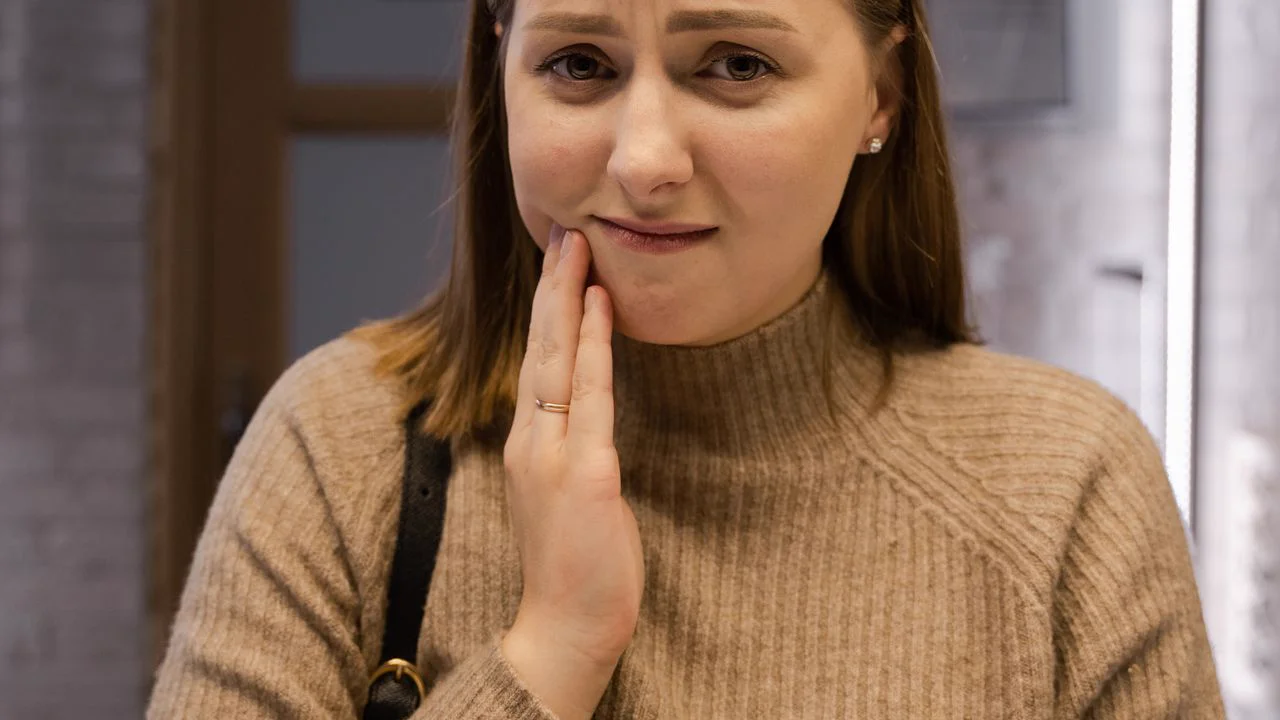
A dental emergency rarely happens at a convenient moment. A tooth gets knocked out at a Saturday hockey game, a molar cracks on a popcorn kernel, or a toothache that nagged for a week suddenly becomes the only thing you can think about. What you do in the first 30 to 60 minutes often decides whether a tooth can be saved or how much treatment you will need later.
I am Dr. Aman Kalucha. During my General Practice Residency at Dalhousie, I spent a hospital year managing exactly these situations: avulsed teeth, facial trauma, abscesses, and post-extraction bleeds, often under specialist supervision. The single most useful thing I can tell you is this: call the office before you do anything else. Even after hours, a quick conversation lets us tell you whether to come straight in, what to do in the meantime, and whether your situation is actually a medical emergency that needs a hospital. Our number is 604-856-7860.
Here is how to handle the most common emergencies we see in West Abbotsford and across the Fraser Valley.
Knocked-Out Tooth (Avulsed Tooth)
A fully knocked-out adult tooth is the most time-sensitive dental emergency there is. The tooth has the best chance of being successfully re-implanted within 30 to 60 minutes, and that window closes fast.
Do this immediately
- Pick the tooth up by the crown (the white chewing part), never the root. The cells on the root surface are what allow it to reattach.
- If it is dirty, rinse it gently for a few seconds in milk or saline. Do not scrub it, do not use soap, and do not dry it with a cloth.
- Try to put it back in the socket. Hold it in place by biting softly on a clean cloth. A tooth kept in its socket does far better than one in a cup.
- If you cannot reseat it, keep it moist. The best storage is cold milk. Tucking it inside your cheek also works for an older child or adult. Plain water is the worst option because it damages the root cells.
- Call us right away so we can see you immediately.
A baby tooth that gets knocked out should not be reinserted, but still call us. For permanent teeth, every minute matters, so the phone call and the milk can happen at the same time.
Broken, Chipped, or Cracked Tooth
A broken tooth ranges from a minor chip to a fracture that exposes the nerve. Save any pieces you can find and bring them with you.
Rinse your mouth with warm water to clean the area. If there is bleeding, apply light pressure with gauze. A cold compress on the cheek reduces swelling. If a sharp edge is cutting your tongue or lip, a piece of sugar-free gum or dental wax over it buys you comfort until we see you.
Sharp pain to cold or air usually means the inner layers of the tooth are exposed, which sometimes points toward needing a root canal to save it. The endodontic training from my residency means we handle many of these cases in-house rather than referring you out. Do not wait it out: a crack caught early can often be crowned, while one left for weeks may not be restorable. If the tooth is badly broken below the gumline, replacing it with a dental implant may end up being the better long-term option, something we can talk through once we see the X-ray.
Severe Toothache
A throbbing toothache that keeps you up at night is your body telling you something is wrong inside the tooth, often an infection or deep decay. Start by rinsing with warm salt water and gently flossing around the tooth to remove anything trapped. Over-the-counter ibuprofen, taken as directed, manages most dental pain better than acetaminophen because it reduces the inflammation driving the ache.
A few things not to do: do not hold an aspirin against the gum (it burns the tissue), and do not apply heat, which can worsen an infection. If the pain comes with a fever, a bad taste, or facial swelling, that is a sign of infection that needs prompt attention. Call us and we will get you in quickly.
Lost Filling or Crown
A lost filling or crown is uncomfortable but usually not urgent. The exposed tooth can be sensitive, so avoid chewing on that side. If a crown comes off in one piece, keep it and bring it in; we can often re-cement the same crown.
Pharmacies sell temporary dental cement that can hold a crown in place for a day or two. In a pinch, a dab of sugar-free dental wax over an exposed area protects it. Never use household glue. Book an appointment within a few days, because the tooth underneath a lost crown is vulnerable to decay and fracture.
Swelling and Dental Abscesses
Facial swelling from a dental infection is one situation I want you to take seriously. A small, localized gum bump can often wait a day, but spreading swelling is a different matter.
Rinse with warm salt water and use a cold compress on the outside of your cheek. Do not try to pop or drain an abscess yourself. An untreated dental infection can spread, and that is where it crosses from a dental problem into a medical one.
When It Is a 911 Situation
Most dental emergencies are best handled by calling us first. But go straight to the hospital or call 911 if you have:
- Swelling that spreads toward your eye or down your neck, or that makes it hard to swallow or breathe. This is the most dangerous dental complication and needs emergency care immediately.
- A high fever with facial swelling, suggesting a serious spreading infection.
- Jaw trauma where you suspect a fracture, or a facial injury with heavy bleeding that will not stop after 15 to 20 minutes of pressure.
- Uncontrolled bleeding after an extraction or injury.
When in doubt, a hospital can stabilize you, and we will handle the dental repair afterward.
A Note on Cost and Coverage
We know cost is on your mind during an emergency. An emergency exam with X-rays in BC typically runs around $100 to $250 , and treatment depends on what is found. Many plans, and the federal Canadian Dental Care Plan (CDCP), cover urgent care; you can read more on our insurance and CDCP page. You will always get a written estimate before we begin any treatment.
Whatever the emergency, do not sit at home wondering. Call Mount Lehman Dental at 604-856-7860 and let us guide your next step. You can also learn more about how we handle urgent visits on our emergency dentistry page.
Related services