
Wisdom Teeth Removal Cost in BC: What Changes the Price?
 By Dr. Aman Kalucha
Medically reviewed by Dr. Kalucha, DDS
By Dr. Aman Kalucha
Medically reviewed by Dr. Kalucha, DDS
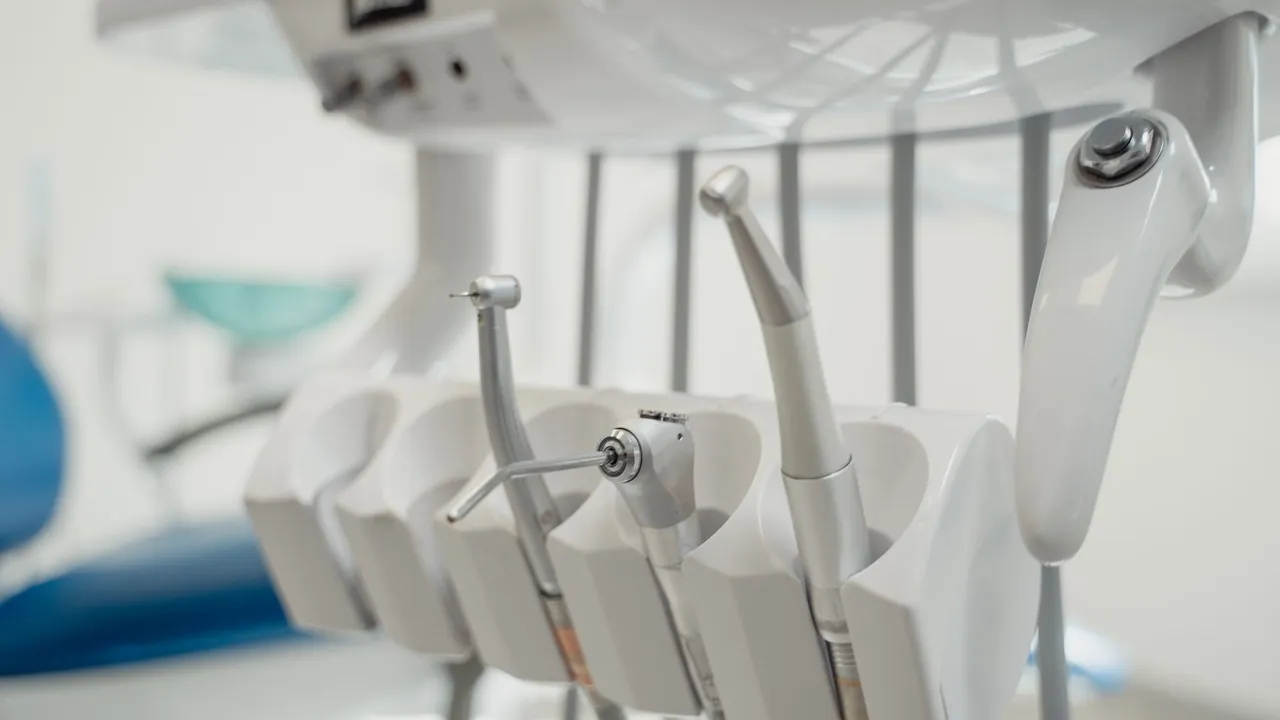
If you’ve searched “wisdom teeth removal cost BC” and seen numbers ranging from a couple of hundred dollars to a few thousand for what sounds like the same procedure, you’re not imagining the confusion. The honest answer is that “a wisdom tooth removal” isn’t one fee. It’s a procedure that can be done in two fundamentally different ways, wrapped around a set of variables, and the quote you get depends on which of those your mouth actually needs. I am Dr. Aman Kalucha, and I remove wisdom teeth here at Mount Lehman Dental in West Abbotsford, so this is the straight breakdown: the per-tooth ranges I use, what moves your number to the top or the bottom of them, and what the total bill looks like once sedation, coverage, and the first week of recovery are in the picture.
The two kinds of removal, and why they cost differently
Most of the price difference between two patients comes down to how their teeth came in, because there are two fundamentally different procedures on the table. A simple extraction is for a tooth that has fully erupted through the gum and is sitting in a reasonable position. I loosen it and lift it out, and the procedure is often done in minutes. A surgical extraction is for an impacted tooth, one that’s trapped under the gum or bone, or angled into the tooth in front of it. That takes a small surgical approach: a tiny opening in the gum, and sometimes dividing the tooth so it comes out in pieces, which is easier on the surrounding bone.
In the BC market, wisdom tooth removal generally runs about $200 to $600 per tooth, and where your tooth lands in that range depends almost entirely on which procedure it needs. Simple extractions sit toward the lower end. Surgical cases for impacted teeth sit toward the upper end, and the deeper the impaction or the trickier the angle, the further up you go. Age plays a part too: the late teens to early twenties is often the easiest window, because the roots aren’t fully formed and the bone is more flexible, so the procedure tends to be simpler and quicker. The same tooth can be an easier and cheaper removal at seventeen than at thirty. These are the planning ranges on our wisdom teeth removal page, and they’re the ones I’d use before you ever sit in the chair.
How many teeth you’re actually paying for
The next variable is the count, and it changes the bill more than most people expect. One to four is the common case, and most appointments to remove one to four wisdom teeth take well under an hour, which is why many people who need all of them done do it in a single visit: one prep, one recovery week, one trip to the office. The math is straightforward. If each tooth runs the per-tooth range above, then removing all four usually works out to somewhere around $800 to $2,400 before sedation and any other add-ons.
There’s an honest second question that belongs in a cost conversation: do they all need to come out at all? A wisdom tooth that is healthy, fully erupted, in a good position, and easy to clean does not automatically need removing. If yours fit that description, the right call may be to leave them and simply keep an eye on them at your checkups. I’d rather tell you which of your teeth are worth the bill and which are fine to watch than quote you on a tooth you could keep.
The exam and imaging behind the quote
The number you’re quoted should not be a guess, and you should be wary of any office that gives you one over the phone. Every removal starts with a focused exam and an X-ray, or a 3D scan for tricky cases, so we can see the roots, the position of the nerve, and exactly how the tooth is sitting. A tooth that looks straightforward from the outside can be hiding a root curve that turns it into a surgical case, and that’s information a phone quote can’t possibly have.
After the exam, you get a written estimate before any treatment begins, so the number you sign off on is the number you pay. The exam is also where the bigger question gets answered, because the X-ray shows how the roots relate to the nerve and the bone in a way that nothing else can. If your situation turns out to be more complex than we expected, you hear about it before the money is spent, not after.
Sedation: the line item people forget to budget for
This is the one most cost breakdowns skip, and it’s why two quotes for the same procedure can look different. Local anesthetic alone is enough for many people, and it’s always part of the procedure. The freezing handles the pain, and sedation handles the nerves. But if you’re anxious, have a strong gag reflex, or you’re doing all four teeth in one visit, it’s worth talking through the options before the day.
Lighter sedation options are generally more affordable than deeper sedation, which may run from a few hundred dollars upward in the BC market, and the exact amount depends on the type and depth. There’s also a practical reason to budget for it: it changes the shape of the appointment. A patient who’s white-knuckling through four extractions is a longer, harder visit than one who’s relaxed, and the sedation that makes the difference has a cost of its own. Two practical things to plan for. The sedation fee sits on top of the extraction fees rather than inside them, and with oral or deeper sedation you’ll need a responsible adult to drive you home and stay with you for a few hours, so build that into your day as well. The full breakdown of what each level feels like and what it costs is on our sedation dentistry page.
Insurance, CDCP, and the rest of the bill
Extractions are among the better-covered procedures you can bring to a dentist, which matters more here than on a cosmetic service. Many dental plans cover part or all of wisdom tooth extraction, especially when it’s medically necessary, and the Canadian Dental Care Plan also covers extractions for eligible patients under its rules. Coverage varies a lot between plans and between people, so we review your benefits and submit a pre-determination before you commit. That means you know your out-of-pocket portion before the chair even reclines. If your plan has already used up its annual maximum, or you don’t have one, that’s the moment to bring the payment conversation in early rather than as an afterthought at the end.
For whatever the coverage doesn’t reach, we can talk through payment arrangements so the cost doesn’t have to land on you all at once. If you’re not sure whether you qualify for the CDCP or how your plan applies, start with our insurance and CDCP page, which tells you exactly what to bring.
What recovery actually costs
The quote doesn’t include the first week, and it’s worth planning for it anyway, because it’s a real, if modest, out-of-pocket cost. You’ll go through gauze, ice, soft foods, and over-the-counter pain relief for a few days. None of it is expensive on its own, and none of it is a line item on the quote, but together it’s the difference between a comfortable recovery and a rough one. For the first day or two, think soup, yogurt, eggs, and smoothies, the same soft foods the recovery timeline calls for, and ease back into normal eating as the stiffness eases.
The timeline itself is predictable. Swelling and stiffness usually peak around day two or three, then steadily improve, and most people are back to normal in about a week. The biggest avoidable complication is dry socket, where the healing clot is lost too early, and it’s painful enough that the precautions are worth taking seriously. No smoking, no straws, and no vigorous rinsing or spitting for the first few days. The wisdom teeth removal page has the full day-by-day timeline if you want the whole picture before your appointment.
When a referral is the honest answer
I trained through a General Practice Residency at Dalhousie University in Halifax, an extra hospital-based year spent treating complex surgical cases under specialist supervision, and the lesson I take from it is that most wisdom teeth, including the tricky ones, can be handled in-house. That training is exactly what makes me comfortable judging which extractions belong in this chair and which don’t.
Some cases do belong with an oral surgeon, though: very complex impactions, unusual anatomy around the nerve, or medical complexity that calls for a surgical team. When I see one of those, I say so before any money is spent, because a referral is not a failure of the office. It’s the safer choice for you. And if a tooth is aching right now and you’re wondering whether it’s urgent, the emergency dentistry page covers what to do while you wait for an appointment.
What to do next
The only way to turn this range into your number is an exam and an X-ray. Anything before that is a ballpark, and I’d rather you planned around a written estimate than a guess. If you’ve been putting this off for a while, that’s the whole point of the exam: you’ll leave knowing the number, the plan, and whether your teeth need doing at all. If you’re weighing whether your wisdom teeth need to come out, anywhere in West Abbotsford or the wider Fraser Valley, book an exam and you’ll leave with a clear written estimate and no pressure to decide on the spot. Call us at 604-856-7860 or request a visit online.