
Gum Disease Treatment in Abbotsford, BC
Treatment for bleeding, swollen, or receding gums, from a deep cleaning that reverses early disease to managing advanced periodontitis and protecting the bone that holds your teeth.
Quick answers
Medically reviewed by Dr. Kalucha, DDSHow much does gum disease treatment cost in Abbotsford?
Scaling and root planing in the Abbotsford area typically runs about $200 to $500 per quadrant of the mouth, depending on how much tartar has built up. Most plans cover a good portion of periodontal therapy, and you get a written estimate after your exam, before treatment begins.
Does scaling and root planing hurt?
No. The procedure itself is comfortable because the area is numbed with local anesthetic first. Your gums and teeth may feel tender or slightly sensitive for a few days afterward, which usually settles with over-the-counter pain relief and warm salt-water rinses.
Can gum disease be reversed?
Early gum disease (gingivitis) can be fully reversed with a professional cleaning and better home care. Once it progresses to periodontitis and bone is lost, the disease can be controlled and stopped from getting worse, but the lost bone does not grow back on its own.
Gum disease is the most common reason adults lose teeth, and it usually starts quietly, with nothing more than a little blood on the toothbrush. Caught early, it’s reversible. Left alone, it slowly destroys the bone that holds your teeth in place. At Mount Lehman Dental in West Abbotsford, Dr. Aman Kalucha diagnoses where your gums actually stand and treats the disease at the right level, whether that’s a focused cleaning to reverse early inflammation or ongoing care to control more advanced periodontitis.
Gingivitis vs. periodontitis: knowing the difference matters
Gum disease isn’t one condition. It’s a spectrum, and where you fall on it changes everything about treatment.
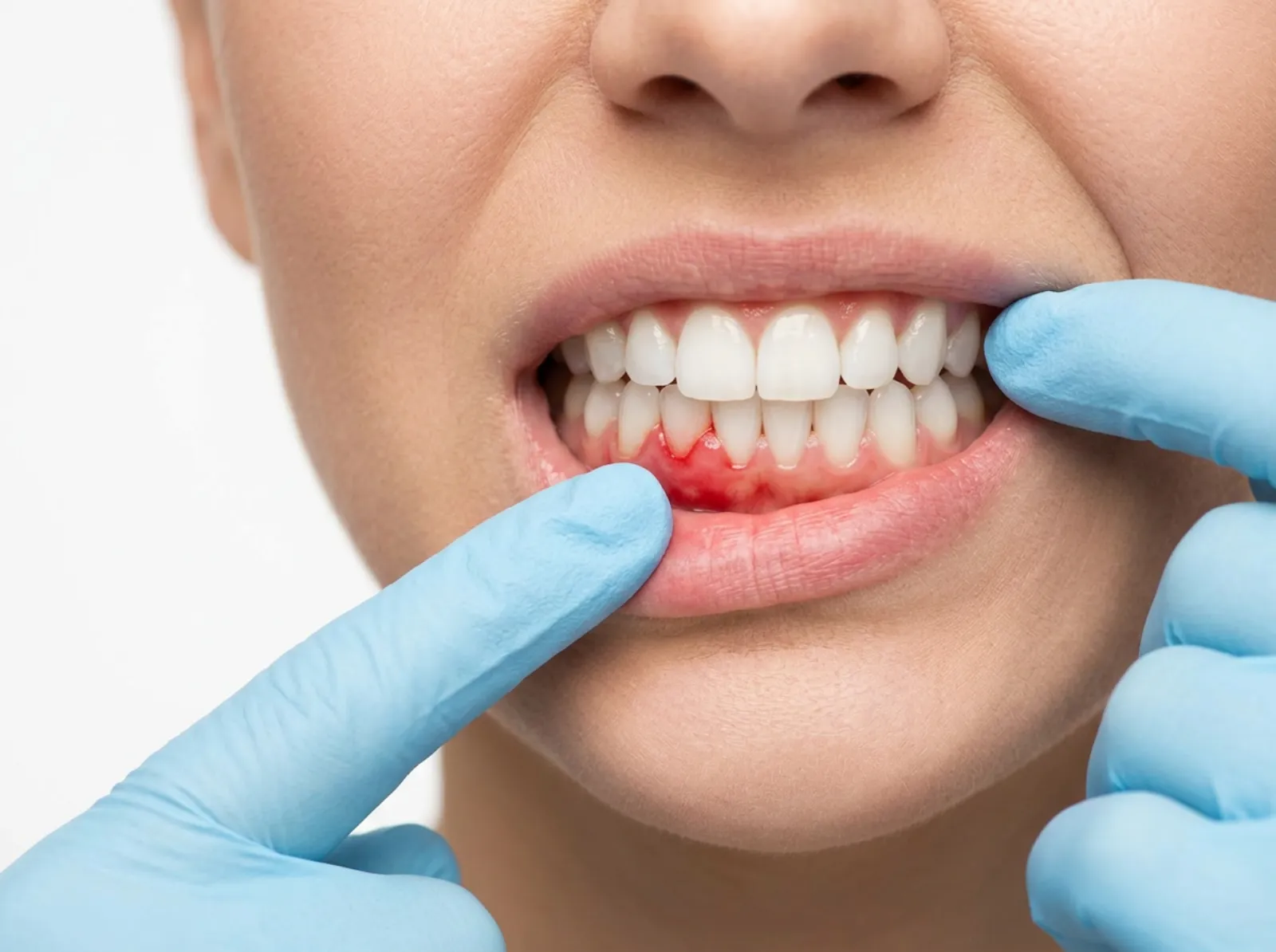
Gingivitis is the early, reversible stage. Plaque bacteria collect along the gumline and irritate the tissue, so your gums turn red, puffy, and bleed when you brush or floss. At this point no permanent damage has been done. A thorough professional cleaning plus better home care can return your gums to health, often within a couple of weeks.
Periodontitis is what gingivitis becomes if it’s ignored. The inflammation spreads below the gumline, the gums pull away from the teeth to form “pockets,” and the body begins breaking down the bone and fibres anchoring your teeth. This bone loss is permanent. It doesn’t grow back on its own. Teeth can loosen, shift, or eventually need removal. The goal of treatment at this stage shifts from cure to control: stopping the disease before it costs you teeth.
The hard part is that periodontitis is often painless until it’s advanced. That’s why a proper exam (measuring pocket depths around each tooth and reviewing X-rays for bone loss) tells you far more than how your gums look or feel.
Warning signs worth acting on
Don’t wait for pain. The signs to watch for are:
- Gums that bleed when you brush or floss
- Red, swollen, or tender gums
- Gums that look like they’re pulling back, making teeth appear longer
- Persistent bad breath or a bad taste that won’t clear
- Teeth that feel loose, or a bite that suddenly feels different
- Pus along the gumline, or new gaps opening between teeth
If you recognise even one of these, it’s worth a look. The earlier it’s caught, the less treatment it takes. Keep in mind that not every ache near the gumline is gum disease. Pain coming from inside a tooth can need root canal treatment instead, and an exam tells the two apart.
Scaling and root planing: the core treatment
For gum disease that has moved past the surface, the proven first-line treatment is scaling and root planing, sometimes called a deep cleaning. It’s non-surgical and done under local anesthetic so you stay comfortable.
Scaling removes the hardened plaque (tartar) and bacteria from above and below the gumline, the deposits a regular cleaning can’t reach once pockets have formed. Root planing then smooths the tooth roots so the gum tissue can reattach cleanly and bacteria have fewer rough surfaces to cling to. We usually treat one section of the mouth at a time, then bring you back to confirm the pockets are shrinking and the gums are healing.
Most cases respond well to this alone. For deeper pockets or more advanced disease, you’ll hear the next steps explained honestly, including when a referral to a periodontist (gum specialist) is genuinely the right call for you rather than something we’d push to keep in-house.
Why Dr. Kalucha’s training is relevant here
Treating gum disease well means reading the whole picture: which teeth are salvageable, how gum health affects future fillings, crowns, or implants, and when to escalate. Dr. Kalucha completed a hospital-based General Practice Residency at Dalhousie University in Halifax, a competitive extra year treating complex restorative, surgical, and endodontic cases under specialist supervision that most general dentists in the Fraser Valley never do. That residency sharpens the judgment that separates routine periodontal care from cases that need a tailored plan or a specialist’s hands.
The link between your gums and your whole body
Gum disease isn’t confined to your mouth. The same bacteria and chronic inflammation that damage your gums are associated with heart disease, stroke, and harder-to-control blood sugar in people with diabetes, and the relationship with diabetes runs both ways, each making the other worse. In pregnancy, gum disease has been linked to premature birth and low birth weight. None of this means gum disease causes these conditions, but the connection is documented well enough that keeping your gums healthy is genuinely part of looking after the rest of you.
Preventing it in the first place
Gum disease is largely preventable, and the basics do most of the work:
- Brush twice a day along the gumline, not just across the teeth
- Clean between your teeth daily with floss or a water flosser, since this is where most disease starts
- Keep regular professional cleanings, which catch and clear buildup before it hardens into tartar you can’t remove at home
- Don’t smoke or vape, which sharply raises your risk and masks the bleeding that would otherwise warn you
- Manage conditions like diabetes, which influence how your gums respond
Healthy gums are also the foundation for the rest of your dental care. Active gum disease is treated before dental implants or cosmetic work, and good gum health protects every restoration you have. It ties closely to the family dentistry checkups that keep small problems small.
What it costs
In the Abbotsford area, scaling and root planing generally runs about $200 to $500 per quadrant , depending on how much tartar has built up and how many sections need treating. Rather than a vague number, you’ll get a written estimate after your exam. Your insurance is reviewed with you, how the Canadian Dental Care Plan may apply is explained (see our insurance & CDCP page), and we bill directly where we can.
If your gums bleed, look swollen, or just don’t feel right, the worst thing to do is wait. Book an exam at our Mt Lehman Road office in West Abbotsford or call us, and you’ll learn exactly where things stand and what it’ll take to put it right.
Book gum disease treatment today
Related services
Dental Exams & Cleanings
A thorough checkup and professional cleaning that catches small problems early, before they turn into pain, fillings, or bigger bills.
Family & General Dentistry
One dental home for your whole family: checkups, cleanings, fillings, and everyday care for kids, adults, and grandparents alike.
Frequently asked questions
How much does gum disease treatment cost in Abbotsford?
Scaling and root planing in the Abbotsford area typically runs about $200 to $500 per quadrant of the mouth, depending on how much tartar has built up. Most plans cover a good portion of periodontal therapy, and you get a written estimate after your exam, before treatment begins.
Does scaling and root planing hurt?
No. The procedure itself is comfortable because the area is numbed with local anesthetic first. Your gums and teeth may feel tender or slightly sensitive for a few days afterward, which usually settles with over-the-counter pain relief and warm salt-water rinses.
Can gum disease be reversed?
Early gum disease (gingivitis) can be fully reversed with a professional cleaning and better home care. Once it progresses to periodontitis and bone is lost, the disease can be controlled and stopped from getting worse, but the lost bone does not grow back on its own.
Why are my gums bleeding when I brush or floss?
Bleeding gums are the most common early sign of gum disease and should not be ignored. It means the gum tissue is inflamed from plaque bacteria along the gumline, and because healthy gums do not bleed during normal brushing or flossing, it is worth having checked.
How long does gum disease treatment take?
Scaling and root planing is usually done over one or two visits, often treating one side of the mouth at a time so the freezing stays comfortable. After that you return for a follow-up to check healing, then for maintenance cleanings every three to four months.
Is gum disease linked to other health problems?
Yes. Research links gum disease to heart disease, stroke, poorly controlled diabetes, and complications in pregnancy. The bacteria and inflammation in your gums do not stay in your mouth, which is one reason treating gum disease matters for your whole body.
Does CDCP or insurance cover gum treatment?
Many dental plans and the Canadian Dental Care Plan contribute toward periodontal treatment like scaling and root planing. Coverage and frequency limits vary, so your benefits are reviewed with you and any remaining cost is explained before treatment starts.
Ready to book your visit?
New patients are welcome at our West Abbotsford office. Call us or request an appointment online, and we’ll find a time that works for you.