
Tooth Extractions in Abbotsford, BC
When a tooth can't be saved, a gentle, well-planned extraction protects your comfort and the teeth around it, with options to replace it afterward.
Quick answers
Medically reviewed by Dr. Kalucha, DDSDoes a tooth extraction hurt?
The area is fully numbed with local anesthetic, so you'll feel pressure but not pain during the procedure. If you're anxious, we can discuss sedation. Mild soreness for a few days afterward is normal and usually managed with over-the-counter pain relief.
When does a tooth need to be extracted?
We always try to save a tooth first. Extraction is recommended when a tooth is too decayed or broken to repair, severely infected, badly loosened by gum disease, or crowding the mouth. We'll explain why and explore alternatives before recommending removal.
How long does it take to heal after an extraction?
The gum surface typically closes within a week or two, while the bone underneath continues to heal over a few months. Following the aftercare instructions, especially in the first 24 hours, helps you heal smoothly and avoid complications.
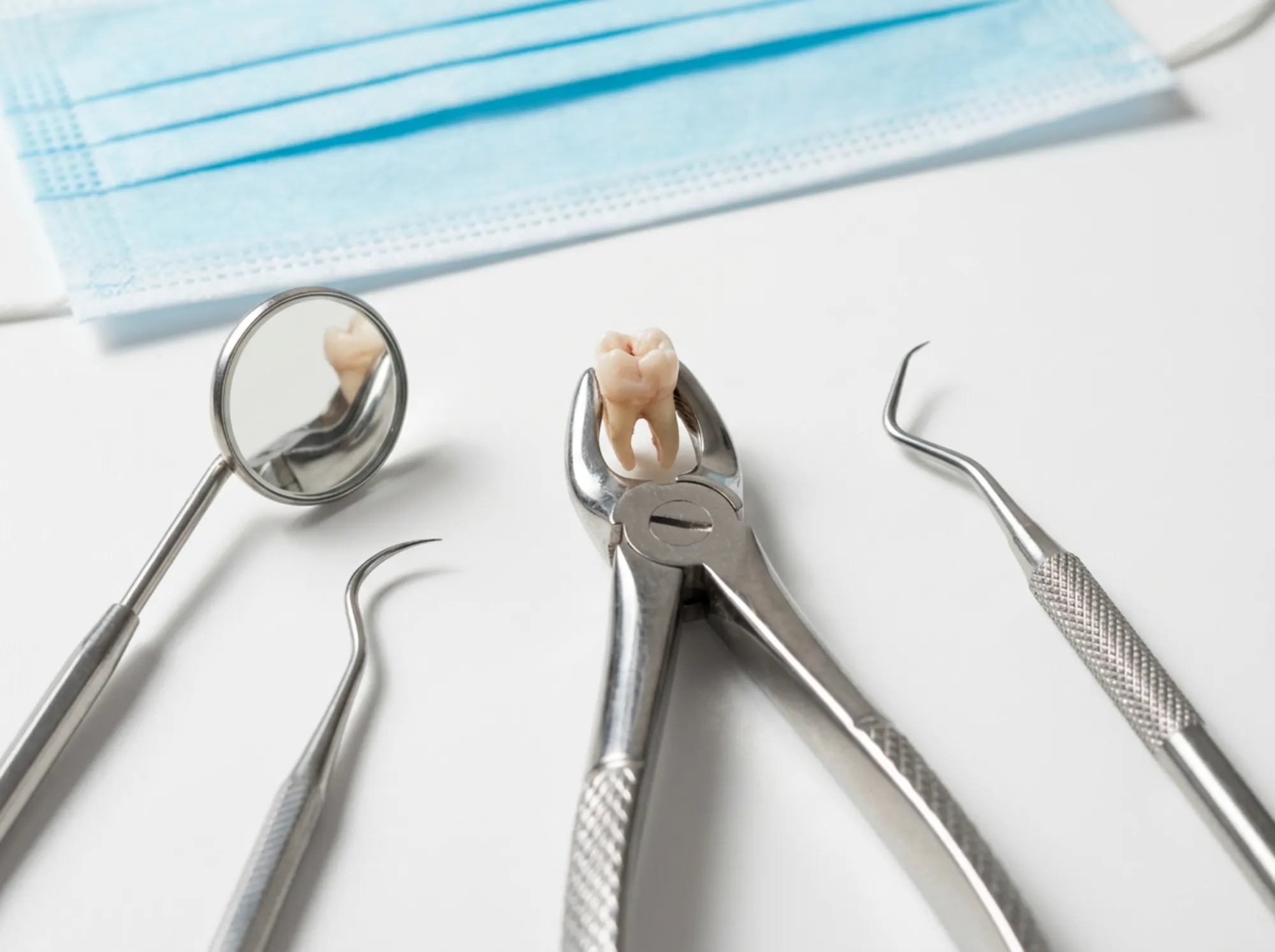
Keeping your natural teeth is always our first goal, but sometimes a tooth is too damaged, decayed, or infected to save, and removing it is the healthiest path forward. When that’s the case, a careful, gentle extraction relieves pain and protects the teeth around it. At Mount Lehman Dental in West Abbotsford, Dr. Aman Kalucha removes teeth with a focus on your comfort and on planning what comes next.
When a tooth needs to come out
We recommend extraction only after weighing the alternatives. Common reasons include:
- A tooth broken or decayed beyond what a filling, crown, or root canal can repair
- Severe infection that can’t be resolved another way
- Advanced gum disease that has loosened the tooth
- Crowding, or a baby tooth that won’t make way for an adult tooth
If a tooth can be saved, we’ll tell you and lay out the options first.
A comfortable extraction
The area is thoroughly numbed with local anesthetic, so the procedure itself feels like pressure rather than pain. Many extractions are simple and quick. If you feel nervous, ask about sedation dentistry. We want this to be as easy on you as possible. Dr. Kalucha’s hospital-based General Practice Residency at Dalhousie included managing surgical cases, which matters when a removal is more involved.
After your extraction
We’ll send you home with clear aftercare instructions and make sure you know what to expect. The first 24 hours matter most: protect the healing socket by avoiding straws, vigorous rinsing, smoking, and hard or hot foods, and rest. Some swelling and mild soreness are normal. If pain increases after two or three days, call us, because it may be a treatable issue and we’d rather see you. For severe swelling or bleeding that won’t stop, contact us right away through our emergency care.
Replacing the tooth
Unless it’s a wisdom tooth or a baby tooth, it’s wise to plan a replacement. An empty space lets neighbouring teeth tilt and the jawbone gradually shrink. Depending on the tooth, good options include a dental implant (the longest-lasting choice), a bridge, or a partial denture. We’ll help you choose and time it sensibly.
What it costs
The fee depends on how simple or surgical the removal is. We give you a written estimate first, bill insurance directly where possible, and review how the Canadian Dental Care Plan and financing apply, so cost never keeps you from getting out of pain.
Book tooth extractions today
Related services
Wisdom Teeth Removal
Honest advice on when wisdom teeth need to come out and when they can stay, plus the procedure, sedation options, and a clear day-by-day recovery timeline.
Dental Implants
A permanent, natural-looking way to replace one tooth, several teeth, or anchor a denture, restoring how you bite, chew, and smile.
Emergency Dentistry
In pain or just had an accident? Call us first. We make room for dental emergencies and will walk you through what to do right now.
Frequently asked questions
Does a tooth extraction hurt?
The area is fully numbed with local anesthetic, so you'll feel pressure but not pain during the procedure. If you're anxious, we can discuss sedation. Mild soreness for a few days afterward is normal and usually managed with over-the-counter pain relief.
When does a tooth need to be extracted?
We always try to save a tooth first. Extraction is recommended when a tooth is too decayed or broken to repair, severely infected, badly loosened by gum disease, or crowding the mouth. We'll explain why and explore alternatives before recommending removal.
How long does it take to heal after an extraction?
The gum surface typically closes within a week or two, while the bone underneath continues to heal over a few months. Following the aftercare instructions, especially in the first 24 hours, helps you heal smoothly and avoid complications.
What should I avoid after an extraction?
For the first day, avoid rinsing forcefully, drinking through a straw, smoking, and hard or hot foods, because these can dislodge the clot that protects the socket. Stick to soft foods and gentle care, and call us if pain worsens after a few days.
Can I replace the tooth after it's removed?
Yes, and it's worth planning early. A gap can let neighbouring teeth drift and the jawbone shrink. We'll discuss replacing it with a dental implant, a bridge, or a partial denture so you're not left with a long-term gap.
Ready to book your visit?
New patients are welcome at our West Abbotsford office. Call us or request an appointment online, and we’ll find a time that works for you.